
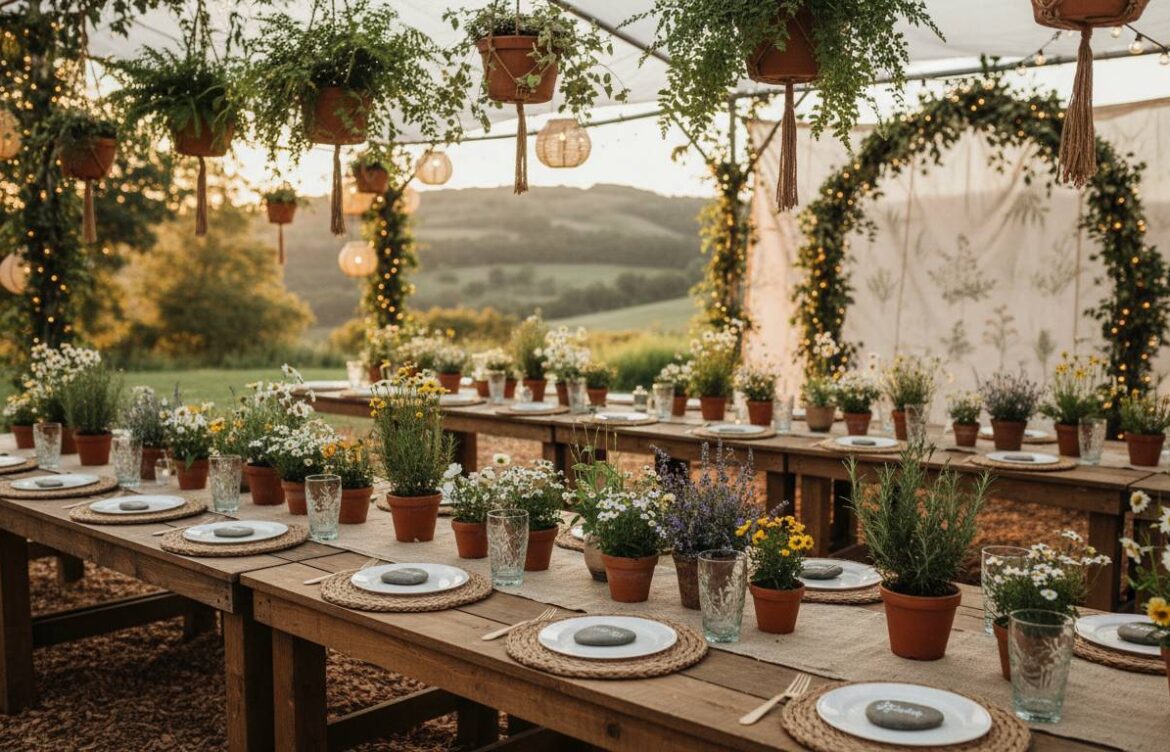
Event Decoration Trends: Modern Ideas for Stunning Events
Event decoration has undergone a dramatic transformation in recent years, evolving from simple aesthetic choices to immersive storytelling experiences. Modern event planners and decorators are pushing boundaries, blending creativity with sustainability, technology, and personalization to create unforgettable moments. Whether you’re planning a wedding, corporate event, birthday celebration, or community gathering, understanding current decoration trends helps you create spaces that captivate guests and reflect contemporary tastes.
This comprehensive guide explores the most influential event decoration trends shaping gatherings in 2024 and beyond, offering practical insights for implementing these ideas into your next event.
The Evolution of Event Decor: From Minimalist to Experiential
The event decoration industry has shifted dramatically over the past decade. Where once minimalist designs dominated event aesthetics, today’s trends embrace boldness, sustainability, and immersive experiences. Event planners now prioritize creating moments that engage all senses and encourage social sharing, recognizing that guests increasingly view events as content opportunities.
According to industry research from the Special Event Company, 78% of event attendees consider the visual environment as the most memorable aspect of any gathering. This shift has transformed decoration from an afterthought into a central planning priority, with budgets allocation for decor increasing by 23% since 2019.
Modern event decoration now serves multiple purposes: establishing brand identity or personal style, creating comfortable atmospheres that encourage connection, providing Instagram-worthy moments, and demonstrating environmental responsibility. The best decorated events achieve all these goals simultaneously through thoughtful design choices.
Top Event Decoration Trends for 2024-2025
Sustainable and Eco-Friendly Decor
Sustainability has moved from a niche concern to a driving force in event decoration. Couples, corporations, and event hosts increasingly seek decor options that minimize environmental impact without sacrificing visual impact. This trend encompasses reusable materials, locally sourced elements, and designs that transition from event to repurposing.
Biodegradable confetti made from dried flowers, leaves, or paper has replaced traditional plastic confetti at upscale events. Rented decor items—including furniture, linens, and lighting—have grown 35% in popularity, reducing waste while allowing for high-end design choices. Florists report that dried flower arrangements, which last indefinitely after events, have increased 40% in demand compared to fresh flowers.
Living walls and potted plants serve as both decoration and event favors, with guests taking home greenery that continues growing. This approach transforms what traditionally became trash into lasting value, appealing to environmentally conscious hosts and attendees alike.
Bold Color Palettes and Maximalism
The restrained neutral palettes that dominated event design for years are giving way to rich, saturated colors and confident maximalism. Deep jewel tones—including emerald green, sapphire blue, and amethyst purple—appear prominently in 2024 event decor, often paired with metallic accents in gold, copper, and rose gold.
Color blocking and gradient effects have emerged as popular techniques, with decorators creating visual impact through unexpected color combinations. Wedding and event planner Jennifer Jensen notes that clients increasingly request “more color, more drama, more statement pieces” rather than the subtle elegance that previously defined upscale events.
Maximalism expresses itself through layered textures, mixed patterns, and curated collections of decorative objects. Rather than sparse, curated spaces, maximalist event design embraces abundance while maintaining intentionality—every element contributes to an cohesive yet visually rich environment.
Immersive Installations and Statement Pieces
Event decoration has evolved into experiential design, with decorators creating entire environments rather than simply accessorizing spaces. Immersive installations transform venues, taking guests to different worlds or conveying specific themes through comprehensive environmental design.
Flower ceilings and hanging installations remain popular, but current trends favor more elaborate constructions. Living installation walls covered in moss, flowers, or greenery create dramatic photo backdrops while improving air quality. Fabric installations using dramatic draping, aerial silks, or custom-printed textiles transform plain ballrooms into customized spaces reflecting specific themes or brand identities.
Mirrored surfaces and reflective elements amplify light and create visual depth, making spaces feel larger while adding sophistication. LED integration has expanded beyond simple uplighting to include illuminated dance floors, programmable light installations, and interactive displays that respond to guest movement or input.
Technology Integration in Modern Event Decor
Technology has become inseparable from contemporary event decoration, offering possibilities that didn’t exist a decade ago. Interactive elements engage guests in ways passive decoration cannot, creating memorable experiences while providing content for social sharing.
Projection mapping transforms ordinary surfaces—walls, floors, even cakes—into dynamic displays capable of showing moving images, animations, or brand graphics. This technology allows complete environment transformation without permanent physical changes to venues, making it particularly valuable for rented spaces or corporate events requiring brand customization.
Augmented reality photo stations have gained significant traction, allowing guests to interact with virtual elements impossible to create physically. These installations range from simple AR overlays to elaborate experiences where guests appear in fantastical settings or interact with brand mascots and characters.
Smart lighting systems offer unprecedented control over event atmosphere, with programmable fixtures capable of shifting colors, intensities, and patterns throughout events. Motion sensors can trigger lighting changes as guests move through spaces, creating responsive environments that feel alive and interactive.
LED walls and screens serve as both practical decor and dynamic backdrop, displaying custom visuals, live social media feeds, or branded content. High-resolution displays have become increasingly affordable, making this technology accessible for events beyond large corporate productions.
Nature-Inspired and Biophilic Design
The biophilic design movement—incorporating natural elements into built environments—has significantly influenced event decoration. This approach recognizes humans’ innate connection to nature, creating spaces that feel healthier, more comfortable, and more visually appealing through natural material inclusion.
Organic shapes and natural textures have replaced rigid geometric patterns in many event designs. Wavy furniture silhouettes, branch-inspired installations, and stone or wood elements create environments that feel grounded and authentic. The organic movement extends to table settings, where natural wood slices replace traditional chargers, and hand-blown glass vessels replace manufactured vases.
Floral design has evolved toward more natural, garden-inspired arrangements emphasizing movement, texture, and color variety rather than tight, structured compositions. Dried and preserved botanicals have gained popularity, offering longevity and sustainability while creating distinctive visual interest.
Outdoor event concepts have expanded beyond traditional garden parties, with decorators creating complete outdoor environments including temporary flooring, climate control, and weather-appropriate lighting. Glamping-inspired elements—yurts, string lights, fire pits—bring outdoor experiences to conventional venues.
Personalized and Custom Elements
Mass-produced decoration has given way to customized, personal elements reflecting specific stories, interests, or brand identities. Guests increasingly expect events to feel unique rather than generic, driving demand for custom-designed elements.
Monogram projections, custom signage, and personalized details make events feel specifically created for particular couples, companies, or honorees. Digital printing advances have made custom fabric, paper goods, and signage affordable at various budget levels.
Interactive elements allow guests to become part of the decoration, from signature cocktail stations with custom glassware to guest-contributed art installations. These approaches generate engagement while creating authentic, personal event environments impossible to replicate.
Family heirlooms, vintage finds, and personally meaningful objects add authenticity to event design, telling stories through decoration rather than relying solely on purchased elements. Experienced decorators incorporate these personal items thoughtfully, creating spaces that feel genuinely meaningful rather than simply visually appealing.
Implementing Current Trends: Practical Guidance
Successfully incorporating trending elements requires balancing contemporary styles with timeless principles and practical considerations. Understanding which trends suit your specific event type, venue, and audience ensures cohesive results.
Start with a cohesive concept. Before selecting individual decor elements, establish a clear vision guiding all decisions. This concept—whether inspired by a specific theme, color palette, or emotional goal—ensures trending elements enhance rather than compete with each other.
Invest in statement pieces. Rather than spreading budgets across numerous small items, concentrate resources on several impactful elements creating lasting impressions. A dramatic installation, statement lighting, or show-stopping focal point delivers more value than numerous smaller accessories.
Consider your venue. Some trends work better in specific environments. Outdoor venues naturally accommodate nature-inspired elements, while industrial spaces suit technology integration and modern maximalism. Choose trends complementing rather than fighting your venue’s existing character.
Plan for flow. Guest experience should guide decoration placement, ensuring traffic moves naturally through decorated spaces. Consider sightlines, photography opportunities, and functional needs when positioning elements.
Balance trends with longevity. While incorporating current trends, include timeless elements ensuring photos remain appealing years later. Focus trends on easily changeable elements—textiles, lighting, accessories—while investing in quality basics that transcend specific moments.
Common Event Decoration Mistakes to Avoid
Even experienced planners make errors that compromise their decoration vision or create unnecessary problems. Understanding these common pitfalls helps avoid costly mistakes.
Overdecorating remains the most frequent error, with well-intentioned hosts crowding spaces with too many elements. Every decorative piece should earn its place, serving either functional, aesthetic, or emotional purpose. When in doubt, edit ruthlessly—negative space often creates more impact than additional items.
Ignoring venue limitations leads to decoration schemes that clash with existing architecture or require expensive modifications. Assess venues thoroughly before finalizing designs, understanding structural elements, lighting conditions, and rules governing modifications.
Neglecting lighting severely impacts decoration effectiveness, as lighting fundamentally shapes how all other elements appear. Even beautiful decorations fail to impress under harsh fluorescent light or inadequate illumination. Prioritize lighting design alongside other decoration elements.
Focusing only on ceremony areas creates disjointed guest experiences. Reception spaces, pathways, restrooms, and transition areas deserve attention, as guests experience entire environments rather than isolated moments.
Forgetting practical considerations—seating comfort, sightlines, temperature, acoustics—leads to beautiful but uncomfortable events. Decoration serves guest experience first; aesthetic goals should enhance rather than compromise functionality.
Frequently Asked Questions
What are the most popular event decoration trends for 2024?
The dominant trends include sustainable and eco-friendly decor using biodegradable materials and rented items, bold color palettes featuring jewel tones and metallic accents, immersive installations that transform entire environments, technology integration through LED displays and interactive elements, and nature-inspired biophilic design emphasizing organic shapes and natural materials. Personalized and custom elements also remain highly sought after, with guests seeking unique experiences rather than generic decoration.
How much should I budget for event decorations?
Event decoration typically represents 15-25% of total event budgets, though this varies significantly based on event type and priorities. High-impact elements like statement installations or extensive lighting can consume larger portions, while minimalist approaches require less. Prioritize statement pieces over numerous small items for maximum impact within budget constraints.
Can I incorporate trends while staying within budget?
Absolutely. Focus trends on high-visibility, easily changed elements like textiles, lighting, and accessories while investing in quality basics with timeless appeal. Renting instead of purchasing, choosing locally sourced materials, and DIY elements like custom signage using digital printing services help achieve contemporary looks affordably. Prioritize one or two dramatic elements rather than attempting comprehensive trend incorporation.
How far in advance should I plan event decoration?
Begin decoration planning 3-6 months before events for optimal selection and vendor availability, especially for custom or rental items. Larger installations and specialty contractors may require 6-12 months lead time. Finalize designs at least one month before events, allowing adequate production and delivery time.
What venue considerations affect decoration choices?
Assess lighting conditions, existing architecture and color palettes, ceiling height and weight capacity for hanging installations, flooring type and condition, and venue policies regarding candles, flames, and adhesive products. Understanding these factors before finalizing designs ensures appropriate choices and prevents costly last-minute modifications.
How do I ensure my event decorations translate well in photographs?
Work with lighting professionals to ensure adequate illumination without harsh shadows or unflattering color casting. Consider how colors photograph—some bright colors appear differently under artificial light. Position statement pieces with photography in mind, ensuring good sightlines and interesting backdrops. Test photographs during setup when possible, allowing adjustments before events.
Conclusion
Event decoration continues evolving rapidly, with sustainability, personalization, technology integration, and immersive experiences driving contemporary trends. Success requires balancing current styles with timeless design principles, ensuring events feel both contemporary and enduring.
Whether planning intimate celebrations or large-scale corporate events, understanding these trends helps create memorable environments reflecting modern sensibilities while serving fundamental guest experience goals. Focus on quality statement pieces, thoughtful personalization, and cohesive design execution to achieve stunning results regardless of budget constraints.
The most successful events treat decoration as environmental storytelling, creating spaces that engage, inspire, and connect guests in meaningful ways. By thoughtfully incorporating current trends while maintaining authentic personal expression, any event can achieve visual impact leaving lasting impressions on all who attend.
The post Event Decoration Trends: Modern Ideas for Stunning Events appeared first on Event Catering & Planning.