
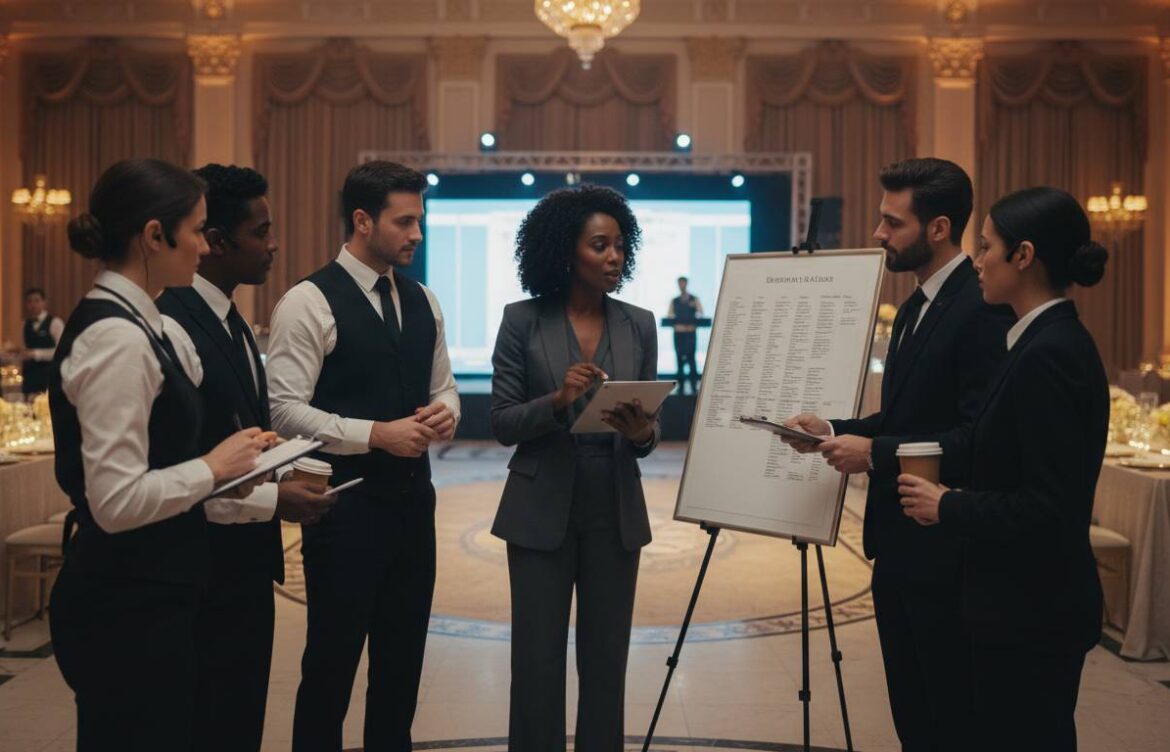
Event Coordination Checklist: Your Guide to Flawless Events
Planning a successful event requires meticulous attention to detail, strategic timeline management, and the ability to juggle multiple vendors, guests, and logistics simultaneously. Whether you’re organizing a corporate conference, wedding, product launch, or community gathering, the difference between a stressful experience and a seamless celebration often comes down to having a comprehensive event coordination checklist in place.
A well-structured event coordination checklist serves as your roadmap from the initial planning stages through post-event follow-up, ensuring nothing falls through the cracks. This guide provides a complete framework covering every phase of event management, with actionable steps you can adapt to events of any size or type.
Key Insights
– Events with detailed checklists experience 40% fewer day-of emergencies
– The average corporate event has 23 vendors that require coordination
– Post-event follow-up increases client retention by up to 35%
– Budget overruns occur in 67% of events without systematic tracking
This comprehensive checklist will walk you through each phase of event coordination, providing the structure you need to deliver memorable experiences while maintaining your sanity throughout the planning process.
Understanding Event Coordination Fundamentals
Event coordination extends far beyond simple planning. It involves orchestrating countless moving parts while maintaining flexibility for the unexpected. The coordination phase typically begins once major decisions—venue, date, budget, and theme—have been finalized. This is where detailed logistics take shape and where most planning failures occur without proper systems in place.
The scope of coordination depends heavily on event type. A corporate conference for 500 attendees requires different resource allocation than an intimate executive retreat. A wedding with 200 guests presents distinct challenges compared to a trade show with multiple simultaneous sessions. Understanding your specific coordination requirements prevents over- or under-planning—both costly mistakes.
Successful event coordinators share common characteristics: exceptional organizational skills, proactive communication habits, and the ability to remain calm under pressure. Your checklist should reflect these priorities, creating systems that compensate for human memory limitations while providing clear accountability structures.
The most effective coordination approach treats the event as a project with defined phases, deliverables, and deadlines. Breaking the coordination process into manageable segments prevents overwhelm while ensuring comprehensive coverage. What you accomplish months before the event directly determines what you can accomplish in the final days.
Phase 1: 8-12 Weeks Before Your Event
The foundation of flawless event coordination builds early. Eight to twelve weeks before your event, your focus shifts from conceptual planning to operational preparation. This phase establishes the systems and relationships that carry through to execution day.
Vendor Selection and Contracts
During this window, finalize all primary vendor relationships. This includes your caterer, photographer/videographer, entertainment, florist, and any specialty service providers unique to your event type. Request proposals from multiple vendors, compare comprehensively, and negotiate terms before signing.
When evaluating vendors, consider beyond price alone. Examine their communication responsiveness during the proposal phase—this often predicts their coordination reliability. Request references and actually contact them. Verify insurance coverage and licensing where applicable. Review contract terms carefully, particularly around cancellation policies, force majeure clauses, and payment schedules.
Vendor Comparison Framework
| Factor | Vendor A | Vendor B | Vendor C |
|---|---|---|---|
| Price | $$$ | $$ | $$$$ |
| Availability | Confirmed | Waitlist | Confirmed |
| Experience | 5 years | 12 years | 8 years |
| Responsiveness | 24 hours | 48 hours | Same day |
| Reviews | 4.2 stars | 4.8 stars | 4.5 stars |
Document your vendor decisions in a centralized tracking system. Create files for each vendor containing their contract, contact information, payment schedule, and any special requirements they’ve communicated. This becomes your reference bible throughout coordination.
Timeline Development
Develop a detailed project timeline identifying all major milestones and dependencies. Work backward from your event date, establishing deadlines for each coordination component. Include buffer time for unexpected delays—vendors experience emergencies, weather disrupts shipments, and life happens.
Your timeline should specify who is responsible for each deliverable and when status updates are due. Share this timeline with all stakeholders and vendors to establish expectations. Regular timeline reviews prevent drift and ensure accountability across your entire coordination team.
Budget Finalization
While initial budgets typically exist from planning phases, use this period to finalize comprehensive cost projections. Account for every category: venue, catering, beverages, rentals, staffing, transportation, decorations, entertainment, technology, marketing, and contingency. The contingency fund deserves particular attention—industry standard suggests 10-15% of total budget for unforeseen expenses.
Create a tracking system comparing actual expenditures against budgeted amounts. This proactive monitoring allows you to identify overspending trends before they become crises. When variances occur—and they will—document reasons and adjust future allocations accordingly.
Phase 2: 4-6 Weeks Before Your Event
With vendor relationships established and major decisions made, the four-to-six-week window focuses on detail refinement and logistical build-out. This phase transforms conceptual plans into operational reality.
Venue Walkthrough and Logistics
Conduct a comprehensive venue walkthrough with all relevant stakeholders. Walk through the entire guest journey—from arrival and parking through the event itself to departure. Identify potential challenges: awkward traffic flows, limited electrical access, acoustic issues, or restricted load-in times.
Document venue specifications in detail. Note exact dimensions of spaces being used, location of electrical outlets and load-in entrances, ceiling heights for décor installations, and any venue restrictions. Share these specifications with vendors so equipment and installations arrive properly configured.
If your event uses multiple spaces, create a floor plan layout for each area. Indicate placement of furniture, staging, bars, registration desks, and activity stations. Share these layouts with vendors and your event team so everyone visualizes the final setup.
Guest Management Implementation
Four to six weeks before your event, guest communications should be in full swing. Send formal invitations with clear RSVP mechanisms and deadlines. Track responses meticulously, maintaining updated attendance counts and dietary restrictions.
Create a guest database capturing essential information: contact details, meal preferences, accessibility needs, parking requirements, and any special circumstances requiring attention. This database informs seating arrangements, catering orders, and day-of coordination.
Consider your communication cadence during this phase. Send save-the-date notifications early, formal invitations at the appropriate interval, and reminder communications as deadlines approach. Each message should provide clear next steps for guests while building anticipation for the event.
Vendor Coordination Meetings
Schedule individual coordination meetings with primary vendors during this phase. These conversations go beyond contractual terms to discuss specific logistics, timeline expectations, and contingency plans. Confirm load-in times, setup requirements, and breakdown logistics.
Create a vendor contact sheet with direct phone numbers for key personnel—someone who will actually be present at your event, not just an office line. Establish communication protocols: how and when you’ll contact vendors in the final week, and how they should reach you during the event.
Discuss electrical requirements with any vendors bringing equipment. Confirm they have appropriate power strips, extension cords, or generators if needed. Address load-bearing concerns for any heavy installations. These details seem minor but prevent significant problems on event day.
Phase 3: 2-4 Weeks Before Your Event
The two-to-four-week window marks your final opportunity to make substantive changes without significant cost or disruption. This phase focuses on confirmation, refinement, and preparation for execution.
Final Vendor Confirmations
Contact every vendor to confirm all details and reconfirm arrival times, setup requirements, and contact information. Request written confirmation of all specifications discussed. This systematic confirmation prevents misunderstandings that emerge when verbal agreements become hazy over time.
Confirm all rental orders: tables, chairs, linens, glassware, lighting, audio-visual equipment, and any specialty items. Verify quantities, delivery times, and pickup arrangements. Know exactly what each rental company provides and what remains your responsibility.
Finalize your event timeline with precise timing for all elements: vendor arrival and setup windows, guest arrival and registration, program segments, meal service timing, entertainment schedules, and departure. Build in buffer time between major segments—you can always accelerate if things run ahead, but extending is rarely possible.
Menu and Beverage finalization
Work with your catering team to finalize menu selections, confirming all dishes, preparation methods, and presentation approaches. Provide final headcounts and any dietary accommodation requirements. Discuss service style—plated, buffet, family-style, or stations—and confirm timeline for each course or segment.
Confirm bar arrangements: inventory lists, staffing levels, service style, and any signature cocktails or special beverages you’re providing. If hosting a cash bar, confirm payment processing arrangements. Address any licensing or permit requirements for beverage service in your venue.
Transportation and Logistics
Arrange transportation for any guests requiring it: out-of-town attendees, VIPs, or groups needing shuttle service. Confirm routes, schedules, and backup plans. Provide drivers with clear pickup locations, timing, and contact information.
If guests are responsible for their own transportation, provide comprehensive directions, parking information, and rideshare recommendations. Consider creating a simple digital guide guests can access easily, especially if your venue is difficult to find.
Phase 4: 1 Week Before Your Event
The final week before your event is about confirmation, organization, and preparation for execution. This is not the time for major changes—it’s time to verify everything is in place and prepare your team for seamless execution.
Final Confirmations and Checklists
Contact every vendor for final confirmation. Send written summaries of all arrangements, including arrival times, setup locations, and contact information. Request vendors confirm receipt and understanding.
Conduct a final walkthrough of your venue if possible, verifying that all arrangements remain as planned. Check on any deliveries scheduled for the final week. Confirm vendor load-in access will be available as arranged.
Create comprehensive day-of checklists for yourself and each team member. These checklists should be detailed enough that anyone can execute their responsibilities without additional instruction. Include emergency contacts, vendor information, and contingency protocols.
Documentation and Materials Preparation
Prepare all documentation your team needs on event day. This includes vendor contact lists, timeline schedules, floor plans, setup diagrams, and guest information. Print multiple copies—digital backup is essential, but paper copies prevent technology failures from becoming crises.
Organize all payments, tipping envelopes, and financial documentation. Prepare vendor payment schedules so you’re ready to process payments as contracted. Have petty cash available for any unexpected expenses.
Create an emergency kit tailored to your event type. Common essentials include: basic tools, tape, scissors, markers, charging cables, safety pins, stain remover, pain relievers, bandages, and breath mints. The specific contents depend on your event, but some basics apply universally.
Communication Finalization
Send final communication to all guests: confirmations, final details, parking instructions, and any last-minute updates. Ensure your registration team has all materials needed for guest check-in.
Brief your event team on their specific responsibilities, schedules, and reporting relationships. Confirm everyone knows who to contact with questions or issues. Establish communication protocols for event day—how team members reach each other, and escalation procedures for problems.
Phase 5: Event Day Coordination
Event day coordination transforms months of planning into lived experience. Your preparation either pays off through smooth execution or reveals gaps that stress and improvisation must fill. The coordination principles you’ve established throughout the process now activate in real-time.
Morning Preparation
Wake up knowing your checklist. Review your timeline before anything else. Confirm vendors are en route as expected. Address any last-minute issues before they cascade.
Arrive at the venue early enough to address any setup surprises. Verify vendor arrivals and begin coordinating setup according to your floor plans. Walk through each area, confirming everything matches your expectations.
Conduct a team huddle before guest arrival. Review schedules, confirm responsibilities, and establish communication checkpoints throughout the event. Ensure everyone knows emergency protocols and contact procedures.
Guest Experience Management
Guest arrival sets the tone for the entire event. Ensure registration or welcome areas are staffed appropriately and functioning smoothly. Have team members positioned to address questions and guide guests throughout the venue.
Monitor the guest experience throughout your event. Are food and beverage service lines moving appropriately? Is the program proceeding on schedule? Are guests comfortable and engaged? Address problems quickly while they’re still small.
Document the event as it unfolds. Take photographs of setups, interactions, and details you may want to replicate or avoid in future events. Note what works and what doesn’t—this information becomes invaluable for post-event analysis and future planning.
Vendor and Timeline Management
Track vendor performance throughout the event. Note any issues for later discussion while they’re fresh. Confirm setup and breakdown arrangements are understood and will execute as planned.
Maintain awareness of your timeline. Build in flexibility where possible, but keep major milestones in sight. Coordinate with emcees, entertainers, and speakers to ensure smooth transitions between program elements.
Address problems as they arise without disrupting the guest experience unnecessarily. Your preparation should provide options and alternatives when unexpected issues emerge. When decisions must be made quickly, make them and move forward.
Phase 6: Post-Event Follow-up
The event may end when the last guest departs, but your coordination responsibilities continue. Post-event follow-up protects your reputation, builds relationships, and provides learning opportunities for future events.
Immediate Post-Event Tasks
Oversee vendor breakdown and venue restoration. Verify all equipment is accounted for, and the venue is left in appropriate condition. Document any damages or issues for resolution.
Process vendor payments promptly, documenting any disputes or concerns for future reference. Send thank-you communications to vendors who performed well while the experience remains fresh.
Collect feedback from your team, vendors, and guests. Survey mechanisms can be formal or informal depending on your event type, but gathering perspectives from multiple stakeholders provides comprehensive insight.
Guest Follow-up
Send thank-you communications to guests within 48-72 hours of your event. Personalize messages where possible, referencing specific interactions or contributions. This follow-up maintains relationships and demonstrates professionalism.
Address any guest concerns or feedback promptly and professionally. Problems handled well become opportunities to strengthen relationships rather than damaging them.
Document guest information for future communications. Your guest database provides marketing opportunities for future events and helps you understand your audience better.
Analysis and Improvement
Conduct an internal debrief with your coordination team. Discuss what worked well, what challenges emerged, and how future events can improve. Document these insights for organizational learning.
Analyze your budget versus actual expenditures. Identify variance causes and incorporate lessons into future planning. Update your checklist and coordination processes based on what you learned.
Update your vendor evaluations based on this specific event experience. This information informs future vendor selection and helps you build stronger vendor relationships through clear communication about performance expectations.
Common Event Coordination Mistakes
Even experienced coordinators encounter predictable pitfalls. Understanding common mistakes helps you avoid them or respond more effectively when they occur.
Insufficient Timeline Buffer: Tight timelines create fragile systems. Build realistic buffer time between major elements—when everything runs exactly on schedule, you’re unprepared for normal variation.
Inadequate Communication Cadence: Under-communication creates misunderstanding; over-communication creates noise. Find appropriate balance by establishing clear expectations about when and how team members and vendors should expect to hear from you.
Neglecting Contingency Planning: Hope for the best, plan for the worst. Weather changes, vendors have emergencies, and guests have accidents. Having backup plans prevents minor issues from becoming major crises.
Scope Creep Without Budget Adjustment: New ideas and requests are exciting, but each addition has cost implications. Establish clear processes for evaluating and approving changes, ensuring budget implications are understood before decisions are final.
Micromanaging While Neglecting Priorities: Some coordinators get lost in minor details while missing major elements. Develop the judgment to know which details warrant your attention and which you can delegate confidently.
Event Coordination Tools and Resources
Modern event coordination benefits from technological support. The right tools streamline communication, track progress, and maintain organization throughout complex projects.
Project management platforms like Asana, Monday.com, or Trello provide visual task tracking and accountability. These tools help coordinate team members across locations while maintaining clear visibility into progress.
Communication platforms ensure quick information sharing. Slack, Microsoft Teams, or similar tools enable real-time coordination while maintaining searchable archives of decisions and discussions.
Guest management systems handle invitations, RSVP tracking, dietary requirements, and communication sequences. These tools save significant manual effort while reducing errors in guest data.
Budget tracking software helps monitor expenditures against projections. Integration with accounting systems streamlines financial management while providing real-time visibility into event economics.
Frequently Asked Questions
When should I start using an event coordination checklist?
Begin using your checklist immediately upon confirming your event date and venue. Even for events 12+ months away, establishing your timeline and tracking systems early prevents the scramble that leads to missed details. The earlier you implement structured coordination, the smoother your planning process becomes.
How detailed should my event coordination checklist be?
Your checklist should be comprehensive enough that nothing falls through the cracks but practical enough to use consistently. Break items into actionable tasks with clear owners and deadlines. Avoid overwhelming detail on minor items while ensuring major elements receive appropriate attention. Review and refine your checklist after each event based on what you actually needed to track.
What’s the most important item on an event coordination checklist?
Vendor coordination and communication consistently emerges as the highest-impact element. Your vendors directly influence guest experience, and communication failures create the most common day-of problems. Prioritize vendor selection, contract clarity, and ongoing coordination throughout your planning process.
How do I handle last-minute changes on event day?
First, assess whether the change is truly necessary or can be managed without disruption. If the change must happen, identify what it affects—other vendors, timing, guest experience—and communicate quickly to those impacted. Make decisions decisively, then move forward. Your preparation should provide flexibility; trust your planning while adapting to reality.
Should I hire professional help for event coordination?
The decision depends on event complexity, your experience level, and available time. Professional coordinators bring established vendor relationships, proven processes, and the ability to manage problems without your direct involvement. For significant events, professional support often pays for itself through reduced stress and better outcomes.
How do I create a budget for event coordination?
Start with comprehensive research on typical costs for your event type and location. Build line items for each category, then add 10-15% contingency. Track actual spending against budget weekly during planning. When variances occur, document causes and adjust remaining allocations. Budget discipline prevents the financial surprises that overshadow otherwise successful events.
Conclusion
Flawless event coordination doesn’t happen by accident—it results from systematic planning, clear communication, and disciplined execution. This checklist provides the framework for organizing events that exceed expectations while maintaining your sanity throughout the planning process.
The principles remain consistent regardless of event type: start early, communicate clearly, track everything, and prepare for the unexpected. Your checklist evolves with experience as you learn from each event what matters most and where problems typically emerge.
Transform this checklist into your personal system by customizing sections for your specific event types, adding vendor-specific details, and refining timelines based on your actual experience. The goal isn’t rigid adherence to a template but building a reliable system that prevents forgotten details while giving you confidence that nothing essential slips through the cracks.
Event coordination, at its core, is hospitality translated into operational excellence. Your attention to detail serves your guests’ experience. When you execute well, guests focus on the celebration rather than the logistics. That invisible success—the feeling that everything just worked—is the true measure of flawless event coordination.
The post Event Coordination Checklist: Your Guide to Flawless Events appeared first on Event Catering & Planning.