
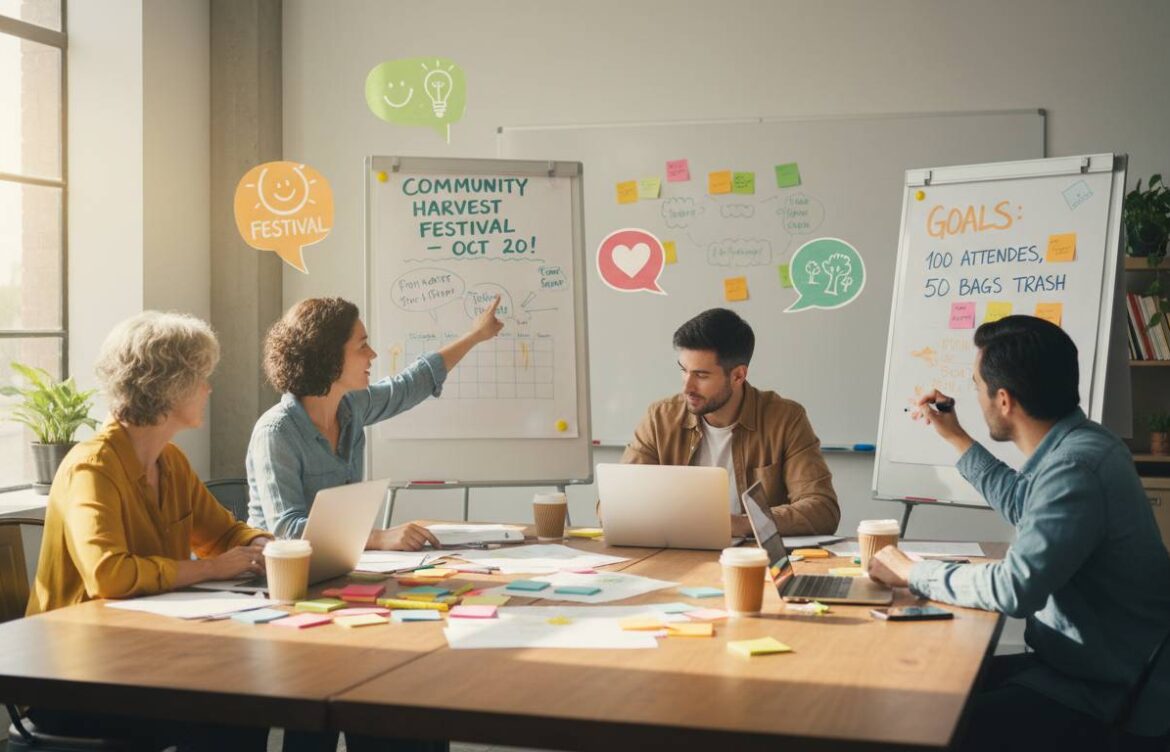
Community Event Planning Guide: Free Step-by-Step Masterclass
Planning a successful community event requires more than enthusiasm and a good venue. Whether you’re organizing a neighborhood block party, a charity fundraiser, a cultural festival, or a local networking gathering, the difference between an event that fizzles and one that creates lasting memories often comes down to preparation, organization, and attention to detail. This comprehensive guide walks you through every phase of community event planning—from initial concept to post-event follow-up—so you can execute events that engage attendees, strengthen community bonds, and achieve your organizational goals.
Key Insights
– Events with detailed planning documents are 67% more likely to meet their attendance goals
– Community events with volunteer teams report 40% higher satisfaction ratings from attendees
– Effective pre-event marketing spanning 4-6 weeks generates 3x more attendance than last-minute promotions (Convince & Convert, 2023)
– Post-event follow-up within 48 hours increases donor retention by 28%
Defining Community Event Planning
Community event planning encompasses the strategic process of organizing gatherings that bring together groups of people for shared experiences, educational purposes, celebrations, or charitable causes. Unlike corporate events focused on business outcomes, community events prioritize social connection, neighborhood engagement, and collective participation.
The scope of community events varies dramatically—from intimate book club meetings for 15 people to large-scale festivals attracting thousands. What unites them is the common goal of creating meaningful interactions within a defined community. Successful community event planners understand that logistics matter, but emotional connection matters more. Attendees remember how your event made them feel far longer than they remember the specific details of parking or catering.
Modern community event planning has evolved significantly in recent years. The rise of social media has transformed promotion strategies, while digital tools have simplified registration, communication, and coordination. However, the fundamental challenges remain unchanged: how do you create an experience that resonates with your specific audience while managing limited budgets, volunteer labor, and competing priorities?
Establishing Clear Objectives and Realistic Budgets
Every successful community event begins with clearly defined objectives. Before you reserve a venue or send a single promotional email, you must answer fundamental questions: What is the primary purpose of this event? Who is the target audience? What outcomes would make this event considered successful?
SMART objectives provide the foundation for planning decisions. Instead of vaguely aiming to “bring the community together,” specify measurable outcomes like “attract 150 local residents” or “raise $5,000 for the neighborhood library fund.” These concrete goals inform every subsequent choice, from venue capacity to marketing spend to volunteer recruitment.
Budget Development
Budgeting for community events requires balancing ambition with financial reality. Begin by categorizing potential expenses:
| Expense Category | Typical Allocation | Notes |
|---|---|---|
| Venue and permits | 20-30% | Includes rental, insurance, security deposits |
| Food and beverages | 25-35% | Varies significantly based on event type |
| Marketing and promotion | 10-15% | Digital ads, printed materials, social media |
| Equipment and supplies | 10-15% | Audiovisual, decorations, tables, chairs |
| Entertainment/speakers | 10-15% | Honorariums, performer fees, materials |
| Contingency fund | 10% | Always reserve for unexpected costs |
Community events often rely on in-kind donations to stretch limited budgets. Local businesses may contribute food, printing services, or venue space in exchange for recognition. Create a sponsorshipprospectus that clearly outlines the benefits of supporting your event, including logo placement, social media mentions, and verbal acknowledgments during the program.
Remember that free events still require revenue planning if you’re fundraising. Calculate your cost per attendee and determine how many participants you need to break even or profit. For fundraising events, plan explicit giving opportunities—silent auctions, donation jars, paddle raises—and train volunteers to facilitate these asks naturally throughout the event.
Selecting the Perfect Venue and Timing
Venue selection fundamentally shapes the attendee experience and determines many logistical possibilities. Community events typically occur in accessible, affordable spaces like school gyms, church fellowship halls, community centers, public parks, or local business storefronts. Each venue option presents trade-offs between cost, capacity, accessibility, and atmosphere.
When evaluating potential venues, consider these critical factors:
Capacity and flow: The venue must comfortably accommodate your expected attendance with room for movement, activity stations, and potential overflow. Cramped spaces create uncomfortable experiences and safety concerns, while overly large empty spaces feel impersonal and waste your budget.
Accessibility: Compliance with the Americans with Disabilities Act (ADA) isn’t optional—it’s the law and reflects community values. Verify wheelchair access to all areas, including restrooms and activity spaces. Consider proximity to public transportation and available parking.
Technical capabilities: Evaluate electrical outlets, lighting options, and whether the venue provides or allows audiovisual equipment. Outdoor events require contingency plans for weather and may need portable sound systems.
Policies and restrictions: Review venue rules regarding decorations, food and beverage (especially alcohol), noise levels, and timing. Some venues require specific insurance coverage or security personnel.
Strategic Date and Time Selection
Timing significantly impacts attendance and should align with your target audience’s schedules. Weekend afternoons and evenings typically work best for family-oriented community events, while weekday evenings may suit young professional gatherings. Avoid scheduling opposite major holidays, competing local events, or during extreme weather seasons unless your event specifically addresses those conditions.
For recurring events, establishing a consistent schedule helps build habitual attendance. Many communities find success with annual events on specific holidays or seasonal celebrations that become anticipated traditions.
Building Your Volunteer Team and Delegating Effectively
Community events fundamentally depend on volunteer labor. Even well-funded events benefit from community participation that creates ownership and spreads word-of-mouth promotion. However, organizing volunteers requires intentional planning to ensure productive, satisfying experiences for everyone involved.
Role structure provides clarity and accountability. Identify key leadership positions—event coordinator, logistics lead, volunteer manager, communications lead—and recruit individuals with relevant skills and commitment. For larger events, create a detailed org chart showing reporting relationships and responsibility areas.
Effective volunteer management includes:
Clear communication: Provide written role descriptions detailing responsibilities, timing, location, and what to expect. Send reminder communications in the week leading up to the event and a final confirmation the day before.
Training and orientation: Brief volunteers on their specific tasks and the overall event flow. For roles requiring interaction with attendees, provide talking points and customer service guidelines.
Recognition and appreciation: Volunteers contribute because they care about your cause and community. Acknowledge their efforts publicly during the event, provide simple thank-you gifts, and follow up with personalized appreciation messages afterward.
The most successful community events create a sense of belonging among volunteers. When people feel genuinely part of something meaningful, they return for future events and bring friends.
Marketing and Promoting Your Community Event
Effective promotion transforms your carefully planned event from a well-kept secret into a community happening. Modern community event marketing combines digital strategies with grassroots outreach to maximize reach within your target audience.
Digital promotion offers precise targeting and measurable results. Create event pages on platforms like Facebook Events, Meetup, or Eventbrite, optimizing descriptions with relevant keywords and clear calls to action. Share content across your organization’s social media channels, utilizing local community groups and neighborhood associations.
Email marketing remains highly effective for community events, particularly for reaching existing supporters and stakeholders. Build your email list through previous events, website opt-ins, and community partnerships. Send initial announcements 4-6 weeks before the event, followed by reminder emails at 2-week, 1-week, and 1-day intervals.
Grassroots tactics complement digital efforts and build authentic community buzz:
- Distribute flyers at local businesses, libraries, community centers, and schools
- Announce events through neighborhood email listservs and Nextdoor
- Partner with local media for coverage, particularly for events with newsworthy elements
- Encourage volunteer and sponsor word-of-mouth promotion
- Create shareable visual assets that supporters can post on personal social media
For maximum impact, coordinate your marketing channels to create repeated exposure. Most people need to encounter your event promotion multiple times before taking action.
Executing the Event and Managing the Unexpected
The weeks and days leading up to your event require intense coordination. Create a comprehensive run of show—a minute-by-minute schedule detailing when each element occurs, who is responsible, and what equipment or materials are needed. Share this document with all team members and post copies at key locations during the event.
Day-of logistics demand attention to setup, operations, and teardown:
Confirm vendor arrivals and setup schedules. Ensure you have contact information for all service providers and understand their setup requirements. Have a designated point person to receive deliveries and coordinate with external vendors.
Conduct a final walkthrough with key volunteers, confirming everyone knows their stations and responsibilities. Review emergency procedures and identify nearest medical facilities.
Contingency planning distinguishes professional event management from amateur attempts. Identify potential problems and prepare responses:
| Potential Issue | Prevention | Response Plan |
|---|---|---|
| Inclement weather (outdoor) | Monitor forecast; have indoor backup | Announce location change via email/social 24 hours early |
| Low attendance | Over-promote; send reminders | Adjust expectations; use time for deeper networking |
| Equipment failure | Test all equipment; have backups | Identify local rental options; adjust program |
| Medical emergency | Know location of nearest hospital | First aid trained volunteer on-site; emergency contacts posted |
| Vendor no-show | Confirm 48 hours prior | Redistribute responsibilities; local backup options |
The most effective event managers stay calm under pressure, addressing problems quickly while maintaining focus on attendee experience. Your attitude sets the tone for your entire team.
Evaluating Success and Building for the Future
Post-event evaluation transforms individual experiences into organizational learning. Begin your assessment within 48 hours while details remain fresh, gathering both quantitative data and qualitative feedback.
Attendance metrics provide concrete measurements: actual versus expected turnout, registration conversion rates, demographic breakdowns, and referral sources. Compare these numbers against your initial objectives to gauge success and identify patterns.
Attendee feedback reveals experiential insights that numbers cannot capture. Send brief surveys via email and encourage social media engagement. Ask specific questions about what worked well, what could improve, and whether they would attend future events.
Financial analysis documents actual revenues and expenses, comparing against your budget. Identify categories where you overspent or underspent and understand why. This analysis informs future budgeting accuracy.
Team debrief with your volunteer leadership identifies operational successes and challenges. Discuss what you would repeat, what you would change, and how processes could improve. Capture these insights in written documentation for future event planning.
Finally, acknowledge and thank everyone who contributed to your event’s success. Send personalized messages to volunteers, sponsors, vendors, and partners within one week. Express genuine appreciation and invite continued involvement in future community activities.
Frequently Asked Questions
How far in advance should I start planning a community event?
For larger community events (100+ attendees), begin planning 3-6 months in advance to secure venues, sponsors, and key vendors. Smaller events can be planned in 4-8 weeks. Building adequate planning time reduces stress and allows for thorough promotion.
What insurance do I need for a community event?
Most venues require proof of general liability insurance, typically $1-2 million coverage. If serving alcohol, you may need liquor liability coverage. Some communities require additional permits and insurance for activities like amplified music or temporary structures.
How can I attract volunteers to help with my community event?
Recruit through existing community networks, social media, and local volunteer-matching organizations. Clearly communicate the event’s mission and volunteer role impact. Offer flexible scheduling, perks like event access, and opportunities for skill-building.
What should I do if it rains during an outdoor community event?
Have a written contingency plan: either an indoor backup venue or clear protocols for postponement. If continuing outdoors, provide covered areas, offer umbrellas or ponchos, and adjust activities accordingly. Communicate weather plans proactively through email and social media.
How do I measure the success of a free community event?
Success metrics depend on your objectives. Track attendance numbers, participant engagement (survey feedback), media coverage, social media mentions, new email subscribers, and whether you achieved specific community impact goals like donations collected or volunteers recruited.
Conclusion
Community event planning combines practical logistics with the art of creating meaningful human connection. Success comes from thorough preparation, clear objectives, engaged volunteers, and genuine commitment to serving your community’s interests. This guide provides the framework, but your community’s unique character and needs determine the specifics.
Every community event—whether a small neighborhood gathering or a large annual festival—offers opportunities to strengthen bonds, celebrate shared identity, and create positive experiences that residents remember throughout the year. Approach planning with organization and enthusiasm, learn from each experience, and watch your community events grow in attendance and impact year after year.