
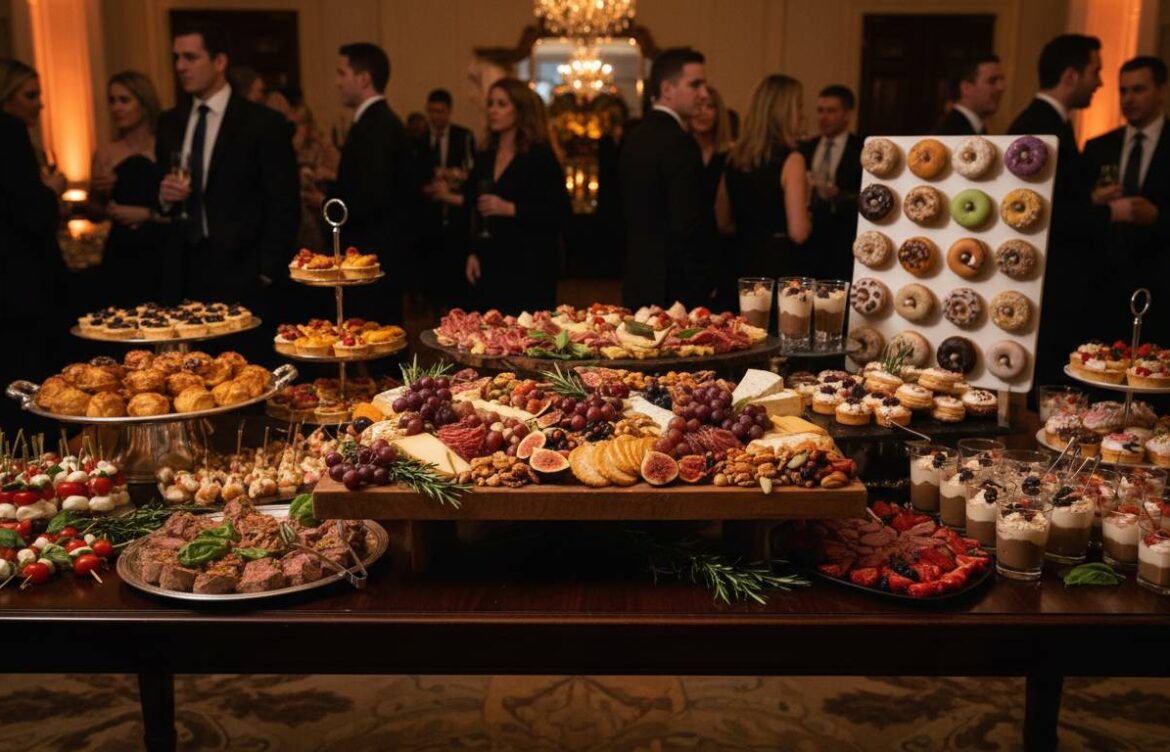
Event Catering Menu Ideas That Impress Every Guest
Planning an event comes with countless decisions, but few impact your guests’ experience as directly as the catering menu. The right menu transforms a simple gathering into a memorable celebration, while a poorly planned one can leave lasting negative impressions. Whether you’re organizing a wedding reception, corporate gala, birthday party, or family reunion, understanding how to craft a catering menu that delights every palate without breaking your budget is essential.
This guide walks you through proven event catering menu ideas, strategic planning approaches, and insider tips that professional event planners use to create unforgettable dining experiences. You’ll discover how to balance variety with execution feasibility, accommodate dietary restrictions gracefully, and align your food choices with your event’s overall theme and atmosphere.
Understanding Your Event Type and Guest Profile
Before diving into specific menu ideas, you must establish the foundation of your catering strategy. The type of event fundamentally shapes appropriate menu choices, and understanding your guest demographics prevents costly missteps.
Corporate events typically require menu items that allow for easy networking and minimal mess. Guests often stand, mingle, and engage in conversation, making passed appetizers and bite-sized portions ideal. Formal galas may call for multi-course plated dinners, while casual company celebrations work well with stations-style serving.
Weddings demand more formal presentation, though modern couples increasingly prefer interactive elements over traditional plated meals. The reception timeline influences menu structure significantly—cocktail hours with passed hors d’oeuvres followed by dinner stations or plated courses each create different guest experiences.
Private celebrations like milestone birthdays, anniversaries, and holiday parties offer flexibility to match the honoree’s preferences. Family-style sharing dishes encourage the communal atmosphere these events typically seek.
Guest profile considerations extend beyond event type. Age demographics affect food preferences significantly—younger crowds often appreciate global flavors and interactive stations, while older guests may prefer familiar preparations. Professional caterers recommend surveying guests for dietary restrictions during RSVP to avoid last-minute complications.
| Event Type | Best Service Style | Typical Budget Range | Menu Complexity |
|---|---|---|---|
| Corporate Lunch | Buffet or Plated | $15-40/person | Moderate |
| Wedding Reception | Plated or Stations | $40-150/person | High |
| Cocktail Party | Passed Apps + Stations | $25-75/person | Moderate-High |
| Family Reunion | Buffet or Family-Style | $15-35/person | Low-Moderate |
| Milestone Celebration | Depends on formality | $30-100/person | Variable |
Building a Menu That Accommodates Everyone
Inclusive catering has evolved from optional courtesy to standard expectation. Failing to accommodate dietary restrictions not only alienates specific guests but also signals poor planning attention to all attendees.
Common dietary restrictions you must address include vegetarian and vegan requirements, gluten-free needs, and common allergies such as shellfish, nuts, and dairy. Halal or kosher options may be necessary depending on your guest list.
The most elegant approach integrates accommodations seamlessly rather than creating separate “special” plates that feel like afterthoughts. Professional caterers achieve this through intentional menu planning that naturally includes options across dietary categories.
Vegetarian and vegan integration works best when these dishes stand as stars rather than substitutes. A wild mushroom risotto, grilled vegetable tower, or plant-based curry can become the most popular item when executed well. Avoid vegan afterthoughts like plain pasta with marinara—these guests deserve同样的烹饪创意和视觉呈现。
Gluten-free accommodations similarly benefit from positive framing. Many naturally gluten-free cuisines—grilled proteins, fresh salads, roasted vegetables, rice-based dishes—require no special substitution when planned from the start. Clearly labeling gluten-free items helps those who need to identify them without making a production of the accommodation.
Allergy awareness requires careful kitchen communication and clear guest labeling. Professional caterers maintain strict protocols to prevent cross-contamination. For home-hosted events, designate separate serving areas for common allergens and provide clear labeling that identifies all ingredients.
Signature Appetizer and Hors d’Oeuvre Concepts
First impressions form within moments, making your appetizer presentation crucial. Well-executed passed appetizers or station displays set the tone for the entire event and keep guests satisfied through cocktail hours.
Passed appetizer stations create elegant movement through venues. Consider combining complementary flavors in single bites:
- Smoked salmon blini with crème fraîche and dill
- Caprese skewers with balsamic glaze and fresh basil
- Truffle mushroom crostini with aged parmesan
- Thai chicken satay with peanut sauce
- Tempura shrimp with spicy mayo
- Stuffed dates with bacon and goat cheese
Display stations allow guests to interact with food and control portions. Charcuterie and cheese boards have become remarkably popular, but elevate them beyond grocery-store basics:
- Curated cheese selections with aged gouda, soft brie, and blue cheese
- Cured meats including prosciutto, soppressata, and finocchiona
- Seasonal fruits, honeycomb, and specialty mustards
- Artisan crackers, breadsticks, and grissini
Global flavor profiles add excitement and demonstrate thoughtful curation. Consider themed stations reflecting your event’s character:
- Mediterranean meze with hummus, baba ganoush, falafel, and pita
- Asian fusion featuring gyoza, spring rolls, and interactive sushi
- Latin-inspired with empanadas, ceviche, and plantain chips
- Caribbean jerk station with grilled meats, mango salsa, and coconut rice
Main Course Strategies That Satisfy Every Palate
The main course forms the centerpiece of most event catering, requiring balance between impressive presentation, delicious flavor, and practical service logistics.
Plated dinner elegance works beautifully for formal weddings and corporate galas where service timing can be controlled. Structure courses for optimal flow:
- First course: Light salad or soup that awakens appetite without filling guests
- Intermezzo: Sorbet or citrus palate cleanser between courses
- Main course: Protein-focused dish with complementary starch and vegetables
- Dessert: Sweet conclusion that doesn’t overwhelm
When offering protein options, provide true variety rather than superficial differences. A beef tenderloin and pan-seared salmon both feel like legitimate choices, while chicken breast and chicken parmesan create unnecessary confusion.
Station-based dining has surged in popularity because it engages guests and creates memorable experiences. Popular station concepts include:
- Carving station with multiple proteins (prime rib, herb-roasted turkey, honey-glazed ham)
- Pasta station with fresh noodles, multiple sauces, and customization options
- Seafood station featuring raw bar, shrimp cocktail, and prepared fish dishes
- Asian station with wok-fried proteins, rice, and stir-fried vegetables
- Mediterranean station with gyros, falafel, tabbouleh, and warm pita
Family-style sharing encourages conversation and creates warm, communal atmospheres perfect for rehearsal dinners, milestone celebrations, and family gatherings. Large platters passed around tables foster connection that individual plating cannot replicate.
Dessert and Beverage Considerations
Dessert presentation offers creative latitude that many event planners underutilize. Move beyond standard wedding cake expectations to create memorable sweet conclusions.
Interactive dessert experiences generate excitement and provide natural photo opportunities. Consider:
- Make-your-own s’mores station with flavored marshmallows and gourmet chocolates
- Crepe station with Nutella, fresh berries, and whipped cream
- Ice cream social with unique flavors and elaborate toppings
- Donut wall with various glazes and sprinkles
- Cookie bar with warm cookies, milk shooters, and ice cream sandwiches
Beverage program significantly impacts guest satisfaction and perceived event quality. Stock bars require careful planning:
- Signature cocktails reflecting event theme or couple personality
- Wine selection appropriate for menu (consult sommelier for pairings)
- Non-alcoholic options equally thoughtfully crafted—sparkling water with cucumber, specialty mocktails
- Coffee and tea service concluding the evening properly
For budget-conscious planning, hosted limited bars with signature cocktails followed by cash bar, or wine-and-beer-only service, maintain hospitality without unlimited expense.
Budget Optimization Without Sacrificing Quality
Catering typically consumes 30-50% of event budgets, making cost optimization critical while maintaining quality standards.
Strategic timing affects pricing significantly. Weekday events, off-season dates, and午餐 service typically cost less than prime weekend dinner receptions. Sunday brunch menus often provide excellent value with comparable quality.
Plate count reduction strategies include:
- Limiting cocktail hour duration
- Offering substantial appetizers instead of full dinner
- Transitioning to dessert and dancing quickly
- Implementing guest count caps strictly
Menu engineering maximizes impact per dollar spent:
- Emphasize lower-cost proteins (chicken, pork, fish) with elevated preparation
- Bulk up dishes with abundant, beautiful vegetables
- Choose in-season produce for natural cost savings
- Limit protein options to reduce waste from uneaten alternatives
Service style impact affects pricing considerably. Passed appetizers require more staff than self-serve stations. Plated service costs more than buffet but allows better portion control. Station-based dining falls in the middle regarding cost and guest experience.
Working Effectively With Your Caterer
Successful catering depends heavily on vendor relationships and clear communication throughout planning.
Interview questions reveal caterer capabilities:
- How many events similar to yours have they executed?
- What is their approach to dietary restrictions?
- Do they handle rentals, or must you coordinate separately?
- What is their staff-to-guest ratio?
- Can they provide references from recent clients?
- What is their cancellation and payment policy?
Contract details require careful review:
- Per-person pricing and what’s included
- Service charges and gratuity expectations
- Rentals, linens, and equipment specifics
- Alcohol service liability and licensing
- Timeline and setup/breakdown windows
Day-of coordination ensures smooth execution. Provide detailed schedules, contact information, and venue layouts. Brief caterers on VIP guests, timing requirements, and any last-minute changes.
Frequently Asked Questions
How far in advance should I book catering for my event?
For weddings and large events, book your caterer 6-12 months in advance, especially for peak season dates. Corporate events and smaller parties typically need 1-3 months lead time. Last-minute catering may be possible for casual events but limits your options and negotiation leverage.
What’s the average cost per person for event catering in the US?
National averages range from $15-40 per person for casual buffet-style catering to $40-150 per person for full-service plated dinners. Premium events with high-end proteins, multiple courses, and extensive bar service can exceed $200 per person. Location significantly impacts pricing—major metropolitan areas command premium rates.
How do I calculate how much food I need per guest?
Professional caterers generally plan for 4-6 pieces during cocktail hour, 1 appetizer serving per person per hour of cocktail service, 6-8 ounces of protein per person for plated dinners, and 1.5 beverages per person per hour. Build in 10-15% buffer for waste and unexpected appetites. Your caterer should handle these calculations based on your specific menu and event duration.
Should I offer meal options for guests with dietary restrictions?
Yes, always plan for dietary accommodations. The most elegant approach includes naturally accommodating menu items that all guests can enjoy rather than separate “special” plates. At minimum, ensure clear labeling and communication about which dishes meet common dietary needs including vegetarian, vegan, gluten-free, and common allergen-free requirements.
What’s the difference between a buffet and plated service?
Buffet service allows guests to choose their portions and items, typically costs less, and creates flexible timing. Plated service offers elegant presentation, controlled portions, and formal dining experience but requires more service staff and precise timing. Station-based service combines elements of both, offering variety and guest interaction while maintaining quality control.
How do I create a cohesive menu theme?
Choose a primary cuisine or regional focus rather than mixing unrelated styles. Select 2-3 flavor profiles that complement each other throughout courses. Maintain consistent presentation style and serviceware. Coordinate beverage pairings with food choices. Your caterer can help refine selections to create logical, cohesive progression from appetizers through dessert.
Final Thoughts
Creating an impressive event catering menu balances guest satisfaction, budget constraints, and practical execution. Focus on inclusive planning that accommodates diverse dietary needs while maintaining a cohesive vision that reflects your event’s personality. Whether you choose elegant plated service, interactive stations, or family-style sharing, prioritize quality ingredients, thoughtful flavor combinations, and professional presentation.
Remember that your caterer serves as both vendor and partner—leveraging their expertise while communicating your vision clearly leads to the most successful outcomes. Start planning early, stay flexible regarding seasonal availability, and trust the professionals you’ve selected to execute your culinary vision. The right menu transforms events from ordinary gatherings into extraordinary celebrations that guests remember long after the last dance.