
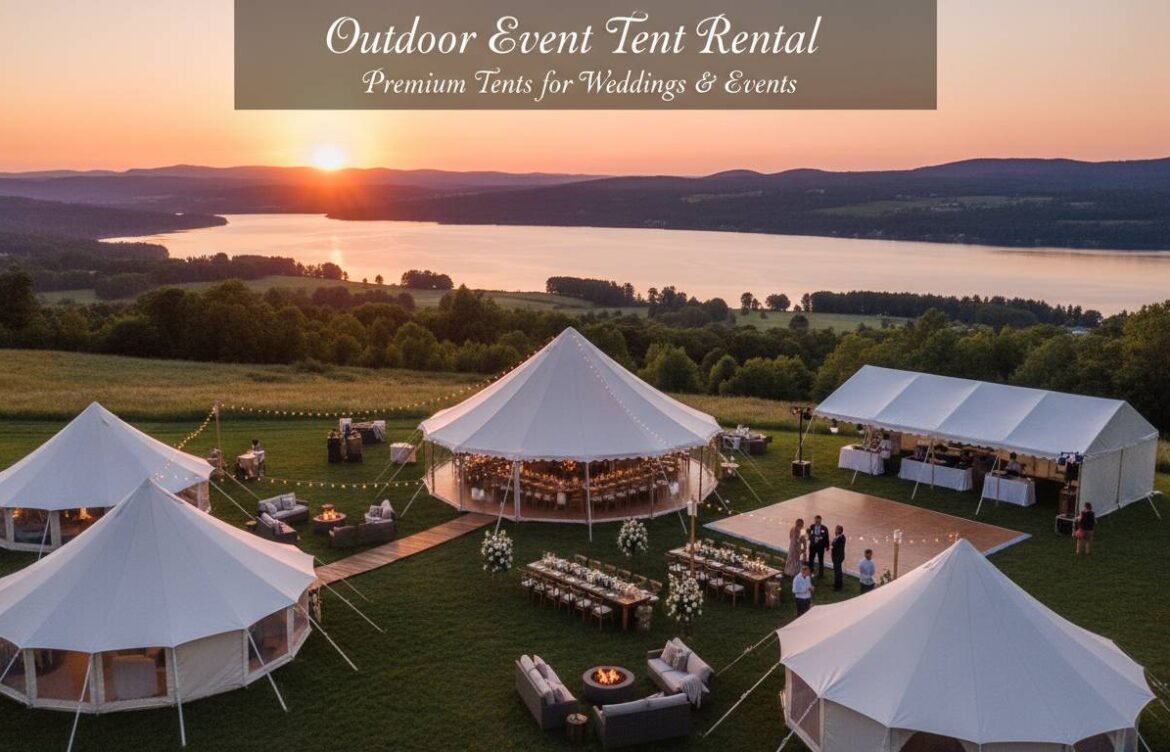
Outdoor Event Tent Rental – Premium Tents for Weddings & Events
Planning an outdoor event comes with excitement and challenges in equal measure. The biggest concern for most event planners is weather unpredictability—rain threatening to dampen celebrations, intense sun making guests uncomfortable, or unexpected wind disrupting carefully arranged decorations. This is where professional outdoor event tent rental transforms from an expense into essential event infrastructure. Whether you’re organizing an intimate garden wedding, a corporate outdoor conference, a family reunion, or a community festival, the right tent creates a controlled environment that protects your investment and ensures your guests remain comfortable regardless of what Mother Nature has planned.
This comprehensive guide walks you through everything you need to know about renting outdoor event tents—from understanding different tent styles and their applications to navigating pricing, selecting appropriate sizes, and working effectively with rental companies. By the end, you’ll have the knowledge to make informed decisions that balance budget constraints with the professional presentation your event deserves.
Understanding Outdoor Event Tent Types
The tent market offers several distinct categories, each designed for specific event types,场地 conditions, and capacity requirements. Understanding these differences prevents costly mistakes and ensures you select equipment that actually works for your situation.
Pole tents represent the classic wedding and event tent design. These feature center poles that support the structure via tension from stakes on the perimeter. Pole tents create elegant peaks and typically require grass or soft ground for staking. They’re available in sizes ranging from 20 feet by 20 feet (suitable for 40 guests) to massive 100-foot-wide structures accommodating 500 or more attendees. The aesthetic appeals to traditional wedding venues and outdoor celebrations where the classic tent silhouette enhances the overall ambiance.
Frame tents offer greater flexibility regarding placement because they don’t require center support poles. The aluminum frame distributes weight throughout the structure, allowing setup on concrete, asphalt, or other hard surfaces where staking isn’t possible. This makes frame tents ideal for backyard events, rooftop gatherings, or venue spaces with paved areas. They provide a clean, modern appearance and can be configured with various sidewall options for complete weather protection.
Pop-up or instant tents serve smaller events and quick-setup needs. These typically come in 10×10, 10×20, or 20×20 configurations and feature collapsible frames that allow two or three people to set them up in minutes. While not suitable for large formal events, pop-up tents work excellently for casual gatherings, vendor booths, small birthday parties, or as supplementary coverage for drink stations and dining areas.
Clear span tents represent the premium option for large-scale events. These structures use heavy-duty aluminum frames with no interior poles, creating unobstructed interior space perfect for elaborate table arrangements, dance floors, stages, and corporate display setups. Clear span tents can span 30 to 100 feet without interior supports and accommodate hundreds to thousands of guests. They’re the standard for major corporate events, large weddings, and community festivals.
What Determines Outdoor Event Tent Rental Costs
Tent rental pricing varies significantly based on multiple factors, and understanding these elements helps you budget accurately and avoid unexpected expenses.
Tent size and type form the primary cost drivers. Pole tents generally cost less than equivalent-sized frame tents, while clear span structures command premium pricing due to their engineering and capabilities. A basic 20×20 pole tent might rent for $300 to $500 for a weekend event, while a 40×80 clear span tent could run $3,000 to $6,000 or more depending on location and inclusions.
Rental duration affects pricing substantially. Most companies offer daily, weekend, and weekly rates. Weekend rentals (Friday through Monday) typically cost 1.5 to 2 times the daily rate, while weekly rates often provide better value for extended events. Some companies charge separately for delivery, setup, and teardown—these services might add $200 to $800 depending on distance and complexity.
Location and accessibility impact costs because they affect delivery logistics. Venues requiring equipment transport over difficult terrain, distant locations from the rental company’s depot, or areas with restricted access often incur additional charges. Urban settings with easy highway access generally cost less to service than remote rural locations.
Season and demand create significant pricing variations. Summer months, particularly June through September for weddings, represent peak season in most regions. Booking during this period often means higher rates and reduced availability. Late fall, winter, and early spring typically offer better pricing and more flexible scheduling, though weather considerations become more critical.
Accessories and add-ons accumulate quickly. Sidewalls for weather protection, flooring to create level surfaces over grass or uneven ground, lighting packages, heating or cooling systems, and decorative elements each add to the total cost. A tent rental that seems budget-friendly can double or triple in price once you add essential accessories.
| Tent Type | Size | Weekend Rental Range | Typical Capacity |
|---|---|---|---|
| Pop-up | 10×10 | $75-$150 | 10-15 standing |
| Pole Tent | 20×40 | $600-$1,000 | 60-80 seated |
| Frame Tent | 30×60 | $1,200-$2,000 | 120-180 seated |
| Clear Span | 40×80 | $3,000-$6,000 | 250-400 seated |
Selecting the Appropriate Tent Size
Choosing the right tent size prevents the two equally problematic scenarios: cramming too many guests into insufficient space or overspending on excess capacity. The calculation depends on your event format, seating style, and planned activities.
Standing reception events require approximately 10 square feet per guest. A 20×40 tent (800 square feet) accommodates roughly 80 standing guests comfortably. This configuration works for cocktail parties, corporate mixers, and casual celebrations where guests move around rather than remaining seated.
Seated dining demands more space—typically 12 to 15 square feet per guest for full-service meals with tables and chairs. Round tables seating eight guests comfortably require about 13 square feet per person, including table space and chair clearance. A 30×60 tent (1,800 square feet) seats approximately 120 guests at round tables with room for a dance area or buffet.
Ceremony seating needs 8 to 10 square feet per guest if using rows of chairs without tables. This allows for a clear center aisle and comfortable row spacing. A 20×60 tent accommodates 120 to 150 ceremony guests in traditional seating arrangements.
Activity areas require additional space consideration. If you plan a dance floor, allocate 4 to 5 square feet per guest. A DJ or band setup needs 10×10 to 12×12 minimum. Bar areas, buffets, and photo booth stations each require dedicated space—typically 10×10 to 10×20 depending on expected usage.
Professional tent rental companies typically recommend adding 10 to 20 percent to your calculated size. This buffer accommodates unexpected layout needs, provides space for entranceways and flow areas, and ensures the tent doesn’t feel crowded even when fully occupied.
Essential Tent Rental Accessories and Add-Ons
The tent itself provides the framework, but accessories determine whether your event functions comfortably and looks professional. Several items deserve consideration during the planning phase.
Sidewalls address weather variability and visual presentation. Full sidewalls enclose the tent completely, providing protection from rain, wind, and cool temperatures. Partial sidewalls offer coverage on specific sides while maintaining openness. Windowed sidewalls combine protection with natural light and exterior views. Most rental companies charge per wall section, so confirm what’s included and what additional costs apply.
Flooring options range from simple ground cover to sophisticated portable flooring systems. Basic ground cover (polyethylene or woven fabric) prevents grass stains and provides minimal moisture barrier but doesn’t create a level surface. Wooden flooring with framing creates a solid, level surface suitable for dance floors, wheelchair access, and heavy table setups. Dance floor panels over flooring create the classic polished look for wedding receptions.
Lighting transforms the tent atmosphere from functional shelter to elegant venue. Options include string lights draped across interior poles, chandeliers for formal weddings, up-lighting to wash walls in color, and dance floor lighting packages. Many rental companies offer lighting packages that bundle multiple elements at reduced rates compared to individual rental.
Climate control becomes necessary when temperatures fall outside comfortable ranges. Heating units (propane or electric) extend the usable season for spring and fall events. Portable air conditioning suits summer events in hot climates, though requirements include sufficient electrical service and appropriate unit sizing for space.
Tables and chairs represent significant additional rentals for most events. Round banquet tables (60 or 72 inches) seat eight guests and represent the standard for formal dining. Long rectangular tables suit buffet service or casual dining. Chiavari chairs, folding chairs, or specialty seating options each carry different price points and visual impacts.
Site Preparation and Logistics Requirements
Successful tent installation depends significantly on proper site preparation. Addressing logistics before delivery day prevents complications, additional charges, or event-day emergencies.
Ground assessment determines appropriate tent type and setup requirements. Grass and dirt surfaces accommodate pole tents with staking and represent the easiest installation. Concrete and asphalt require frame or clear span tents with weights instead of stakes—note that weight requirements increase significantly for larger structures and windy conditions. Uneven or sloped ground may require additional leveling work or specialized equipment.
Access verification ensures delivery trucks and crews can reach the setup location. Confirm gate widths, driveway conditions, and any obstacles that might impede equipment transport. Large tent delivery requires trucks significantly larger than standard delivery vehicles—ensure adequate clearance and turn radius access.
Underground utilities require marking before any staking occurs. Call your local utility marking service (dial 811 in the United States) several days before delivery to mark gas lines, electrical cables, water lines, and other underground infrastructure. Damaging utilities creates dangerous situations and potential legal liability.
Permits and approvals may be required depending on your location and event type. Some municipalities require permits for temporary structures exceeding certain sizes. Venue homeowners associations often have approval requirements. Check with local authorities early in planning to avoid last-minute complications.
Electrical capacity must accommodate lighting, climate control, and entertainment equipment. Most residential electrical service provides insufficient power for large tent events. Rental companies can advise on generator requirements or may include generator rental as part of their service package.
Questions to Ask Your Tent Rental Company
Working with the right rental company prevents headaches and ensures professional execution. Come prepared with specific questions that reveal company reliability and service quality.
Experience and reputation matter significantly. Ask how long they’ve been in business and specifically how much experience they have with events similar to yours. Request references from recent clients with comparable events. Check online reviews across multiple platforms, noting how companies respond to negative feedback.
Insurance and liability protection protects you from financial exposure. Confirm the company carries general liability insurance covering property damage and personal injury. Ask for certificate of insurance naming you as additional insured if required by your venue. Understand their policies regarding weather-related cancellations and Force Majeure situations.
What’s included varies widely between companies. Some quote all-inclusive pricing covering delivery, setup, removal, and accessories while others provide tent-only pricing with additional charges for every service. Request detailed quotes itemizing each component to enable accurate comparisons.
Setup and removal timeline matters for event logistics. Confirm when crews will deliver and install the tent relative to your event timing. Understand the removal schedule and ensure it doesn’t conflict with venue access requirements or next-day commitments.
Weather policies deserve explicit discussion. Understand the company’s stance on weather forecasts predicting rain, wind, or extreme conditions. Confirm their process for decision-making and any cost implications if weather forces changes.
Common Tent Rental Mistakes to Avoid
Learning from others’ mistakes helps you sidestep expensive errors and stressful situations. Several common pitfalls deserve attention during planning.
Booking too late creates limited options and premium pricing. Peak season tent rental demand means companies book months in advance for popular dates. Waiting until two to four weeks before your event may result in no availability or significant price premiums. Secure your tent rental as soon as you’ve confirmed your event date and venue.
Underestimating size requirements leaves guests cramped and vendors squeezed. Always plan for the maximum expected guest count with appropriate circulation space. The difference between a comfortably full tent and an overcrowded one significantly impacts guest experience and safety.
Ignoring weather contingencies invites disaster. Always have backup plans for inclement weather—even summer events can encounter unexpected rain or temperature drops. Confirm sidewall availability, understand cancellation policies, and discuss contingency options with your rental company.
Forgetting about permits and approvals leads to forced removal or fines. Check permit requirements early in planning and complete any necessary applications well before your event date.
Choosing based solely on price often results in inferior equipment or service. The lowest bidder may provide older equipment, less experienced crews, or limited customer support. Evaluate companies based on value—quality equipment, service reliability, and responsive communication relative to total cost.
Planning Your Event Timeline
Tent rental involves multiple phases requiring coordination with other event elements. A clear timeline ensures nothing falls through the cracks.
Six to twelve months before your event, confirm your date and venue, then contact tent rental companies for initial quotes and availability. Peak season dates book quickly, so early inquiry matters.
Three to six months before, finalize your guest count estimate and confirm tent size requirements. Review quotes in detail, verify inclusions, and make your booking. Submit any permit applications during this window.
One to two months before, confirm all details with your rental company including delivery times, setup location, electrical requirements, and accessory specifications. Provide final guest count and confirm any additional items needed.
One to two weeks before, conduct final site preparation including ground clearing, utility marking, and access verification. Confirm weather forecast and discuss any contingency preparations with your rental company.
One to three days before, confirm delivery and setup schedule. Ensure site access is clear and all preparations complete. Review setup diagram if provided and confirm any last-minute details.
Frequently Asked Questions
How far in advance should I book outdoor event tent rental?
For summer weekend events, book at least three to six months in advance to secure availability and favorable pricing. Peak wedding season (June through September) requires even earlier booking—six to twelve months recommended for popular dates. Winter and early spring events offer more flexibility with two to four weeks notice often sufficient.
What’s the difference between pole tents and frame tents?
Pole tents use center support poles and require staking into grass or soft ground, creating a classic peaked appearance ideal for traditional weddings. Frame tents use an aluminum frame with no interior poles, allowing setup on concrete, asphalt, or other hard surfaces where staking isn’t possible. Frame tents offer more placement flexibility and a modern aesthetic.
Do tent rental companies handle setup and takedown?
Most full-service tent rental companies include setup and takedown in their pricing or offer it as an optional service. Some companies quote tent-only pricing, requiring you to arrange or perform setup yourself. Always confirm what’s included in your quote and whether additional charges apply for delivery, setup, and removal.
What happens if it rains on my event day?
Professional tent rental companies typically advise on weather-appropriate configurations—requesting sidewalls when rain is forecasted provides protection. Review the company’s weather policy before booking to understand cancellation options for severe weather. Having sidewalls available and understanding the setup process for quick deployment helps you prepare for unexpected rain.
How do I determine what size tent I need?
Calculate based on your event format and guest count. Allow approximately 10 square feet per person for standing reception, 12-15 square feet per person for seated dining at round tables, and 8-10 square feet per person for ceremony seating only. Add space for dance floors, buffets, bars, and entertainment areas. Professional rental companies often provide sizing consultations.
Are tent rentals expensive to heat or cool?
Climate control adds significant cost to tent rental. Propane heaters typically cost $150-$300 per unit plus propane, while portable air conditioning units run $200-$500 per unit plus electrical setup. The number of units needed depends on tent size, ambient temperature, and desired interior temperature. Discuss climate control options and costs with your rental company during the planning phase.