Quick Answer
Buy from the artist’s official site, the venue box office, or an established primary or resale platform with a buyer guarantee. Compare the all-in price including fees. Never pay a stranger by bank transfer or gift card, and treat prices that look too good to be true as a red flag.
Buying concert tickets should be simple, but between primary sellers, resale marketplaces, presales, and scammers, it is easy to overpay or get burned. This evergreen guide explains how to buy safely. It is general guidance; always confirm current prices and terms on the official seller before you buy.
Primary vs. resale
A primary seller sells tickets at face value on behalf of the artist or venue. A resale (secondary) marketplace lets fans and brokers resell tickets, often above — sometimes below — face value. Neither is inherently bad, but know which you are using: primary is usually cheaper if tickets are still available, while resale is where you turn once a show sells out.
Buy from official, reputable sources
Start at the artist’s official site or the venue’s box office, which point you to the authorised seller. Established primary and resale platforms have buyer guarantees; unknown sites and random social-media sellers do not. If a deal is dramatically below market, treat it as a red flag.
Presales and on-sales
Many shows have presales (artist fan clubs, credit-card partners, venues) before the general on-sale. Register in advance where you can, be ready at the exact on-sale time, and have your account and payment set up beforehand so you are not fumbling while inventory disappears.
Watch the fees
The price on the listing is rarely the price you pay. Service, facility, and processing fees are added at checkout and can be substantial. Compare the all-in total across options, not the headline price.
Avoiding scams
- Pay through the platform, never by bank transfer, gift card, or cash to a stranger.
- Be wary of screenshots of tickets — they can be sold many times over.
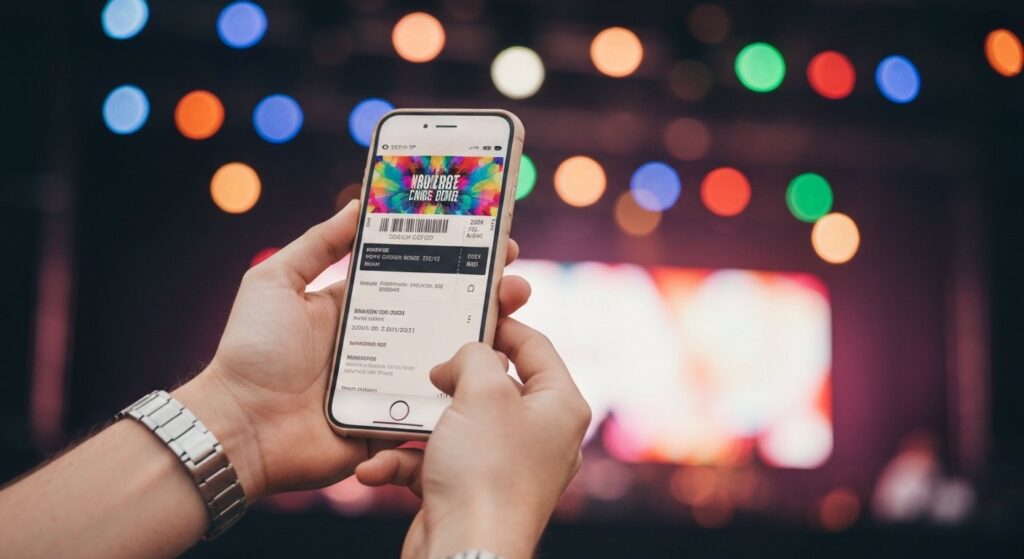
- Prefer transferable mobile tickets from a reputable platform with a guarantee.
- Check the URL and that the site is the official or an authorised seller.
If a show sells out
Set an official waitlist or alert, watch for artist-verified resale, and check for released holds closer to the date. Prices on resale often move as the event approaches — sometimes down — so patience can pay.
Frequently asked questions
Is resale safe?
Reputable resale marketplaces with a buyer guarantee are generally safe. Avoid buying from strangers off-platform, where you have no protection.
Why is the checkout price higher than the listing?
Service and facility fees are added at checkout. Always compare the all-in total.
How do I avoid ticket scams?
Buy from official or authorised sellers, pay through the platform, and be suspicious of prices that look too good to be true.
How a concert on-sale typically unfolds
Once you understand the usual rhythm of a ticket release, buying gets far less stressful. Most high-demand shows follow a broadly similar path, even if the details differ between artists, venues, and ticketing platforms. Learning that pattern is one of the most useful things you can do when working out how to buy concert tickets for a show you really care about.
It usually begins with an announcement: the tour, the dates, and the venues are confirmed, but tickets are not yet on sale. This gap is your window to prepare. Next come presales, which give certain groups early access before everyone else, often through fan clubs, venue mailing lists, or partner promotions. Presales typically need a code or prior registration, so signing up early matters. After presales comes the general on-sale, when tickets open to the public. For popular shows this is the busiest moment, and where a waiting room or queue often appears.
Waiting rooms and online queues
A waiting room is a holding page you may see before an on-sale begins; a queue is the ordered line you join once it starts. Many official ticketing platforms use these systems to manage sudden demand fairly and to keep the site stable. A few practical points worth knowing:
- Arriving early does not always help. With some systems, everyone in the waiting room before the start time is given a random place in the queue, so refreshing frantically or logging in hours ahead may make no difference. Check how the specific platform says its system works.
- Do not refresh once you are in the queue. Refreshing or opening the same queue in several tabs can send you to the back or flag your session.
- Be patient with your position. Queues can move in bursts. A long wait does not necessarily mean tickets are gone.
- Watch the hold timer. Once you reach checkout you usually have a limited time to complete payment, so have everything ready.
Preparing for a high-demand on-sale
When you expect a show to sell quickly, preparation is what separates a smooth checkout from a missed chance. None of this guarantees a ticket, but it removes the avoidable obstacles.
- Create and verify your account in advance. Set up an account on the official platform beforehand, confirm your email, and make sure you can log in. Doing this during the rush wastes precious minutes.
- Save your payment details early. Add and verify a payment method ahead of time so you are not typing card numbers against a countdown. Check the card is valid and has room for the all-in total.
- Decide your limits first. Agree in advance on how many tickets you need, which sections you would accept, and the most you are willing to pay including fees. Snap decisions under pressure often lead to regret.
- Use a reliable connection and consider more than one device. A stable internet connection helps. Some fans join the queue on more than one device or browser, though be aware that certain platforms discourage this and may treat it as suspicious, so follow the rules the seller states.
- Be ready at the exact start time. Sync your clock, open the page a little early, and have any presale code to hand.
Refunds, transfers, and postponed or cancelled events
Ticket terms vary widely, so always read the conditions before you buy and keep your confirmation. As a general rule, tickets bought for a specific event are often non-refundable simply because you change your mind, but you usually have protection if the event itself does not go ahead as planned.
If an event is cancelled outright, buyers who purchased from official or authorised sellers are commonly offered a refund, though exactly what is returned can vary. If an event is postponed or rescheduled, tickets are frequently valid for the new date, with a refund sometimes offered for a limited window if you cannot attend. Because policies differ, rely on the guidance issued by the official seller for that specific event rather than assumptions.
Where tickets can be transferred, doing so through the official platform is the safest route, as it moves the genuine ticket to the new holder rather than a copy. If you can no longer attend and reselling is permitted, use verified resale through an authorised marketplace so the buyer is protected too.
Accessibility tickets
If you or someone in your group has access requirements, look for the venue or platform’s accessibility booking route rather than buying standard tickets and hoping to adapt later. Accessible seating, step-free access, and companion or carer arrangements are often handled through a dedicated line, form, or team. Book these as early as you can, as availability can be limited, and keep any confirmation or documentation the venue asks for. If anything is unclear, contact the venue directly before purchase so you know exactly what is provided.
Group bookings
Booking for a group of friends is easier with a little coordination. Many platforms cap the number of tickets one account can buy per show, so decide in advance whether one person will attempt the whole booking or whether several of you will try in parallel and then sort out who got what. Agree beforehand on the budget, the sections you would accept, and how everyone will pay their share, so you are not negotiating while a hold timer counts down. Where tickets are assigned to named attendees, make sure you understand any transfer or entry requirements for the rest of the group before the day.
Your pre-on-sale checklist
- Confirmed the correct date, venue, and official seller for the show.
- Registered for any relevant presale and saved your code.
- Created and logged into your account, with email verified.
- Saved a valid payment method with room for the all-in total.
- Agreed your ticket count, acceptable sections, and maximum budget.
- Arranged any accessibility booking through the proper route.
- Checked a stable connection and set an alert for the exact start time.
More frequently asked questions
Does joining the waiting room earlier improve my chances?
Not always. Some systems randomise queue positions among everyone present before the start, so being early can make no difference. Check how the specific platform describes its process.
Can I get a refund if I simply cannot go anymore?
Often not, since many tickets are non-refundable for a change of mind. Where reselling is allowed, using verified resale through an authorised marketplace is usually the safest way to pass your ticket on.
What happens to my ticket if the concert is rescheduled?
Tickets are frequently valid for the new date, and a refund is sometimes offered for a limited period if you cannot attend. Follow the official guidance issued for that particular event.
How do I book accessible tickets?
Use the venue or platform’s dedicated accessibility route rather than standard tickets, book early because availability can be limited, and contact the venue directly if anything is unclear.
Is it safe to transfer a ticket to a friend?
Transferring through the official platform is safest, as it moves the genuine ticket rather than a copy. Avoid sending screenshots, which can be duplicated and sold many times over.